2026년 현재, 웨딩밴드 시장은 전통적인 클래식 디자인과 더불어 개인의 취향을 강조한 볼드한 스타일이 공존하는 흐름을 보이고 있습니다. 공식적인 브랜드 공시와 최근 주얼리 트렌드 리포트를 바탕으로, 많은 분이 실제로 선택하거나 주목하고 있는 웨딩밴드 흐름을 정리했습니다.
1. 여전히 선호도가 높은 ‘클래식 브랜드’
특정 유행에 크게 좌우되지 않고 오랜 기간 선택받아온 브랜드들입니다. 웨딩밴드로 많이 언급되는 대표 모델과 분위기는 아래와 같습니다.
까르띠에 :: 러브(LOVE), 트리니티 대중적인 인지도가 매우 높고, 나사 모티프나 세 가지 골드 조합처럼 상징성이 분명한 디자인이 특징입니다.
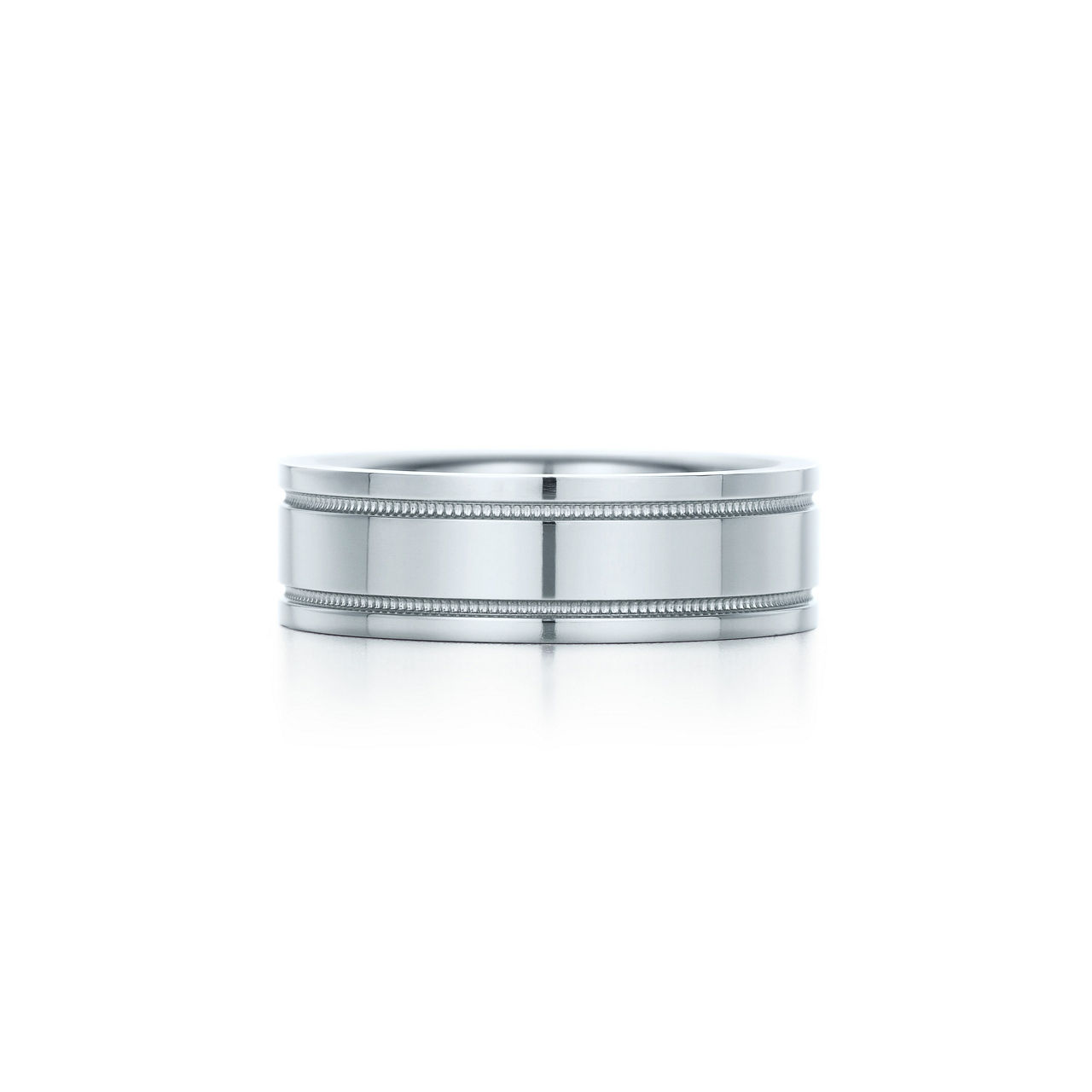
티파니앤코 :: 밀그레인, T 밴드 섬세한 구슬 장식이나 브랜드 이니셜을 활용한 단정하고 깨끗한 인상이 강합니다.
부쉐론 :: 콰트로 링 네 가지 패턴과 소재를 레이어드한 구조로, 클래식하면서도 개성을 원하는 분들이 많이 선택합니다.
불가리 :: 비제로원(B.zero1), 비비 건축적인 형태와 볼드한 실루엣이 특징이며, 남성 웨딩밴드로도 선호도가 높은 편입니다.
2. 2026년 주목받는 디자인 트렌드
최근 주얼리 트렌드 보고서에서 공통적으로 언급되는 흐름은 ‘정형화된 커플링’에서 벗어난 디자인입니다.
볼드 & 청키 얇고 가는 밴드 대신 두께감과 무게감이 느껴지는 디자인이 다시 주목받고 있습니다.
믹스 매치 화이트 골드와 로즈 골드 조합, 서로 다른 금속이나 질감을 섞어 개성을 드러내는 방식입니다.
텍스처 다양화 유광 대신 해머드(Hammered), 브러쉬드(Brushed) 같은 무광·질감 표현이 늘고 있습니다.
3. 선택 시 고려하면 좋은 기준
웨딩밴드는 브랜드보다 ‘생활에 잘 맞는지’가 더 중요하게 작용합니다.
착용감(Comfort Fit) 안쪽이 둥글게 마감되어 손가락에 오래 끼워도 부담이 없는지 확인하는 것이 좋습니다.
관리의 용이성 돌출된 다이아 세팅은 화려하지만 일상생활에서 걸릴 수 있고, 화이트 골드는 시간이 지나면 재폴리싱이 필요할 수 있습니다.
커스터마이징 여부 최근에는 아크레도처럼 두께, 소재, 보석 위치, 각인까지 직접 정할 수 있는 브랜드에 대한 관심도 높아지고 있습니다.
웨딩밴드는 단순히 유행하는 디자인이나 브랜드의 인지도만으로 결정하기에는 개인의 취향과 생활 방식이 크게 작용하는 영역입니다.
매장 조명 아래에서 예쁜 반지가 일상 속 내 손위에서는 다르게 느껴질 수 있고, 누군가에게는 인생 반지인 모델이 나에게는 불편할 수도 있습니다. 따라서 공식 자료나 후기를 참고하시되, 실제 매장을 방문하여 직접 착용해 보며 우리 손에 가장 잘 어우러지는지 확인하는 과정이 무엇보다 중요합니다.
오늘 정리해 드린 브랜드별 특징과 트렌드가 두 분만의 소중한 증표를 선택하시는 데 작은 길잡이가 되었기를 바랍니다. 충분히 비교해 보시고, 가장 후회 없는 선택을 하시길 응원하겠습니다 🙂
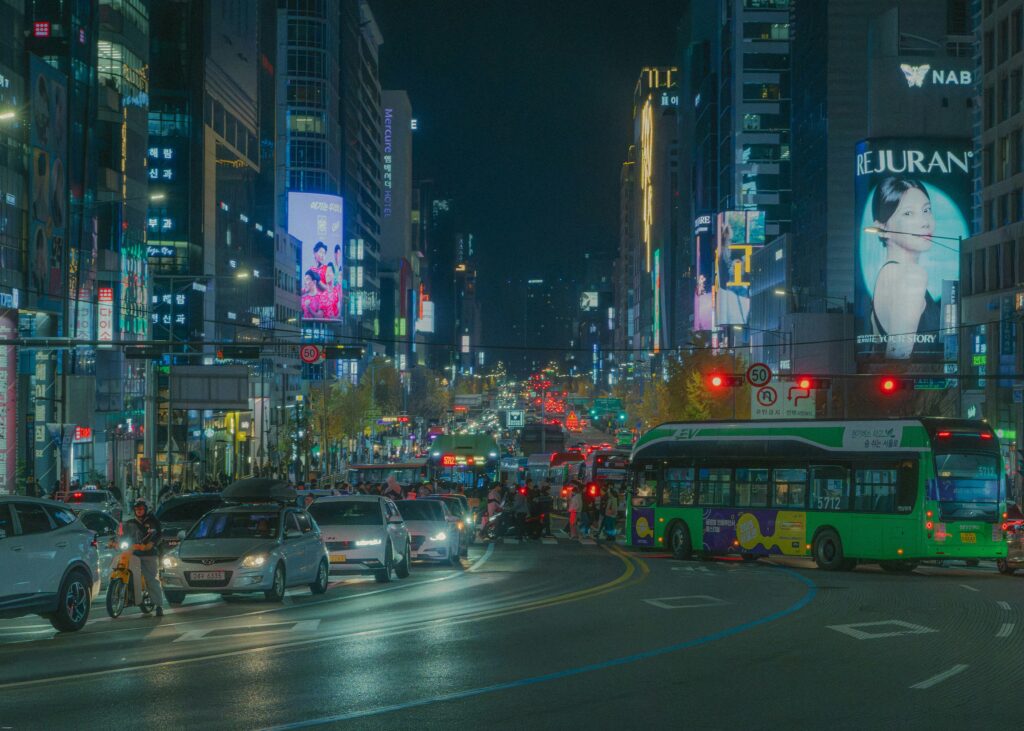
Getting around South Korea by public transportation is incredibly efficient, but a few local rules can be tricky for first-time visitors. From transfer gates to payment methods, here is a clear, fact-based guide to help you navigate like a pro.
💳 1. The Payment Essential: Physical Cards Only
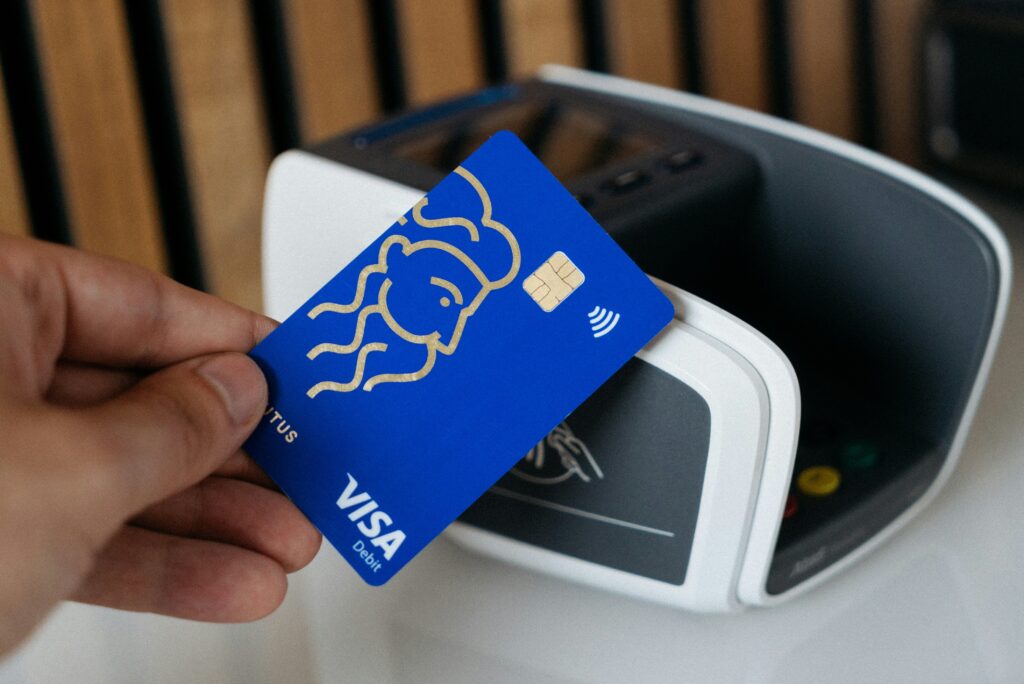
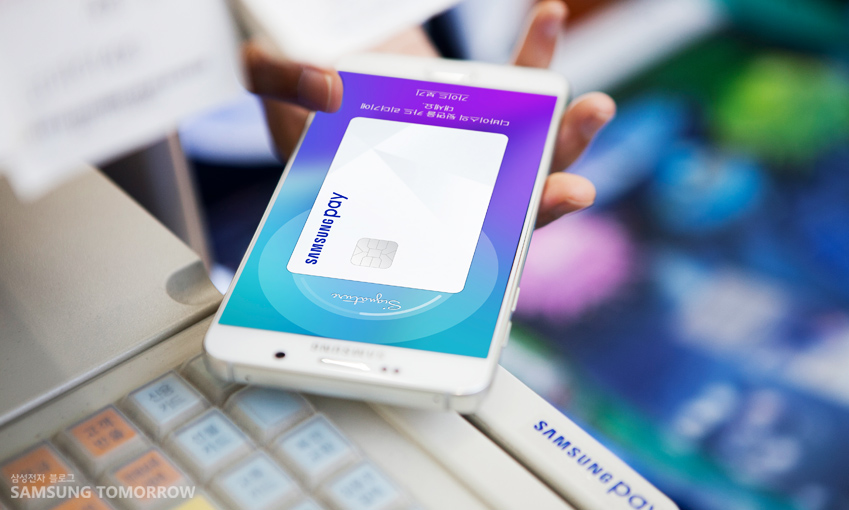
Before you head to the turnstile, there is one critical thing to know: International Apple Pay, Google Pay, or Samsung Pay (foreign-issued) are not currently supported at Korean subway gates or on buses.
Get a T-money Card: You must use a physical transit card like T-money, Wowpass, or Namane.
Cash for Top-ups: These cards are easy to find at convenience stores, but recharging them usually requires physical Korean Won (cash) at the station machines.
📍 2. The “15-Minute Rule” for Mistaken Exits
Did you accidentally tap out at the wrong station? Or realized you went to the platform for the opposite direction?
The Grace Period: Within the Seoul Metro system (Lines 1–9), you can re-enter the same station within 15 minutes without being charged a new base fare.
How it works: Your re-entry will be treated as a “transfer,” so you won’t lose extra money for a simple mistake.
Note: This rule generally applies to Seoul-operated lines. Some private suburban lines might still charge a new fare.
🚉 3. Special Lines: Not All Subways are Equal
You might see different colors or encounter extra gates inside a station. Here is what they mean:
Line 9 & Shinbundang Line (Transfer Gates): You will often see “transfer gates” inside the station when switching to these lines. Don’t worry—it’s not a double charge. It’s just tracking your movement between different operators.
Shinbundang Line (The Premium Line): This line connects Gangnam to southern suburbs faster. Because it is privately managed, a surcharge (approx. 700–1,000 KRW) is added when you pass through its gates.
AREX (Airport Railroad): * All-stop Train: Works with T-money and allows standard transfers.
Express Train (Orange): Requires a separate reserved seat ticket and does not integrate with the standard bus/subway transfer discount.
Gyeongui-Jungang & Suin-Bundang Lines: These lines often have longer gaps between trains (sometimes 15–20 minutes). It is highly recommended to check Naver Map or KakaoMap for real-time schedules.
🚌 4. Bus + Subway Transfers: The 30-Minute Window
One of the best parts of Korea’s system is the integrated fare between different modes of transport.
The Time Limit: Transfers are free (or heavily discounted) if you board your next vehicle within 30 minutes after tapping off (extended to 60 minutes at night, 9 PM – 7 AM).
Tap Off Every Time: You must tap your card on the reader when getting off a bus. If you forget, the system cannot validate your transfer, and you will be charged a penalty fare on your next ride.
📌 Key Takeaways for a Smooth Journey
Carry a Physical Card: You cannot rely on your phone for transit yet.
Follow the “Transfer” Signs: Don’t follow the “Way Out” sign unless you are actually leaving the station.
15-Minute Re-entry: If you make a mistake at the gate, go back in within 15 minutes to save your fare.
Expect Surcharges on Express Lines: Lines like the Shinbundang Line cost more, but they save a lot of time.
One Card per Person: For subway transfers, every traveler needs their own physical card.
Blog Note:This information is based on current transit policies in Seoul. While the system is very reliable, specific rules can vary slightly in other cities like Busan or Jeju. I hope this helps you explore Korea with confidence! 🙂