If you’re traveling to Korea and wondering,
“Can I survive with just Apple Pay?”
It’s a very reasonable question.
Korea feels cashless, fast, and highly digital — so Apple Pay should work.
But the reality is a bit different.
👉 Apple Pay works in Korea in very limited ways — and even most Koreans don’t rely on it.
This isn’t a tourist problem.
It’s how Korea’s payment system was built.
Can you use Apple Pay for payments in Korea?
Short answer: almost never.
Apple Pay only works through NFC (tap-to-pay).
The problem is that most Korean card terminals were never designed around NFC.
In daily life:
- Physical credit cards → work almost everywhere
- Apple Pay → often does nothing when you tap
This happens not only to tourists, but also to locals.
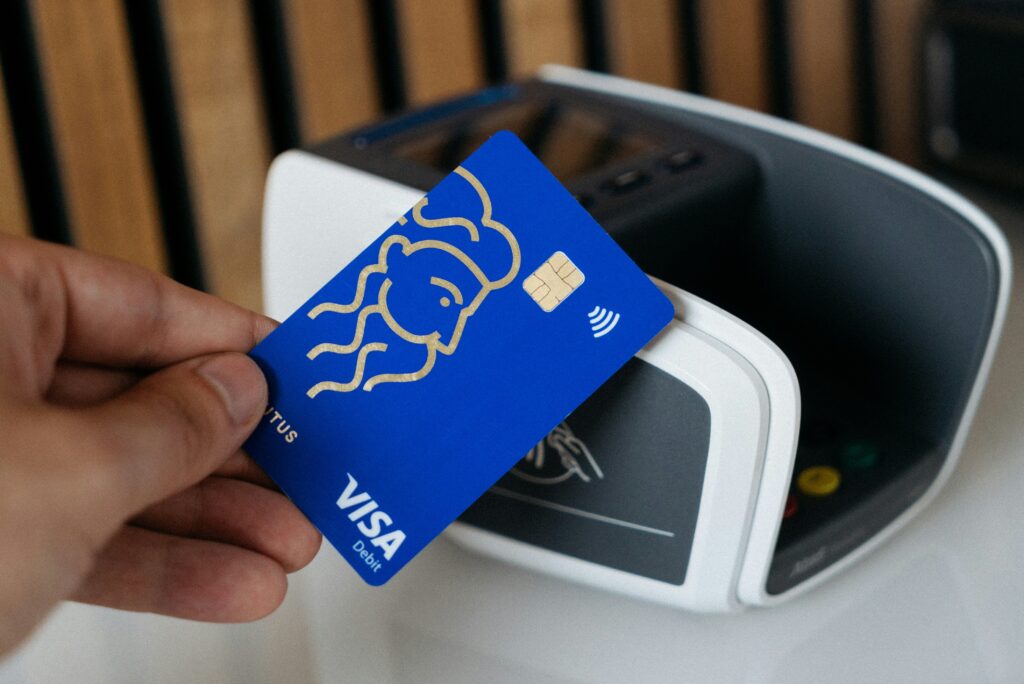
You’ll often see modern-looking card machines,
but they still rely on chip insertion or swipe — not NFC.
Why Apple Pay doesn’t really work (even for Koreans)
This isn’t because Apple Pay is “new” in Korea.
It’s because Korea never needed it.
1. Korea already had a perfect card system
Long before mobile payments:
- Credit cards were accepted almost everywhere
- Payments were fast and reliable
- Offline transactions worked smoothly
From a store’s perspective, there was no strong reason to switch to NFC.
2. Samsung Pay filled the gap first
Samsung Pay became dominant in Korea because it supports
MST (Magnetic Secure Transmission) — it mimics a card swipe.
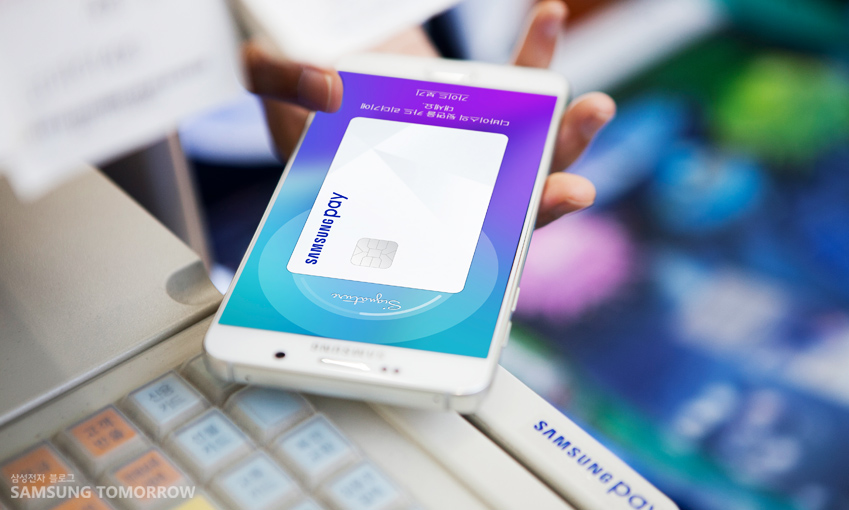
That means:
- Works on old terminals
- No hardware upgrades
- Accepted almost everywhere
So for locals:
- Samsung Pay works
- Physical cards work
Apple Pay didn’t add anything essential.
What about Apple Pay + T-money?
This is where many travelers get confused — and where expectations need adjusting.
Yes, foreigners can add T-money to Apple Wallet
This part is true:
- Foreign travelers can add T-money to Apple Wallet
- No Korean ID or phone number required
The real limitation is recharging
In real use:
- Recharge with overseas card ❌
- Recharge with Korean card ❌
- Cash top-up at convenience stores ⭕
Once you top up with cash:
- Subway and buses work without issues
- Gates recognize Apple Pay T-money instantly
- Real-time balance updates work properly

So technically:
👉 Apple Pay T-money works for transportation — but only after cash top-ups.
Apple Pay alone is still not enough.
Can Apple Pay replace everything in Korea?
No — and this is the key takeaway.
What Apple Pay can do:
- Act as a digital T-money card (with cash top-ups)
What it cannot reliably do:
- Pay at restaurants
- Pay at cafes
- Replace physical credit cards
This is normal in Korea.
Most Koreans still use physical cards or Samsung Pay.
The most realistic setup for travelers
If you want a smooth trip, this combination works best:
- Physical credit card (Visa / Mastercard) → main payments
- Small amount of cash → T-money top-ups, markets
- Apple Pay T-money → transportation only
Trying to go “Apple Pay only” will almost always lead to frustration.
Final takeaway
Korea isn’t anti–Apple Pay.
It’s just built differently.
- Cards work better than phones
- NFC was never essential
- Older systems still work extremely well
One honest sentence to remember:
“Apple Pay works in Korea in theory — but physical cards and cash still do the real work.“